January 28, 2026
Landscape curbing is a practical and visually appealing way to bring structure and clarity to outdoor spaces. By creating clean, defined edges, curbing helps organize gardens, separate lawns from planting beds, and guide movement throughout the landscape. Beyond aesthetics, it plays an important functional role by helping to contain mulch, reduce soil erosion, and simplify ongoing maintenance.
Whether you are updating an existing garden or planning a new outdoor layout, concrete landscape curbing offers a durable solution that balances form and function. With thoughtful planning and professional installation, curbing can enhance curb appeal while supporting a well-maintained landscape for years to come. This article explores the fundamentals of landscape curbing, how to plan a project, material considerations, installation expectations, and long-term care.
Understand the Purpose of Landscape Curbing
Define Landscape Curbing
In short, landscape curbing is the installation of continuous borders along garden beds, lawns, walkways, and other outdoor features. These borders create distinct lines that help visually organize the landscape and establish clear boundaries between different areas. Properly installed curbing contributes to a polished appearance and supports more efficient landscape upkeep.
Discover the Benefits of Landscape Curbing
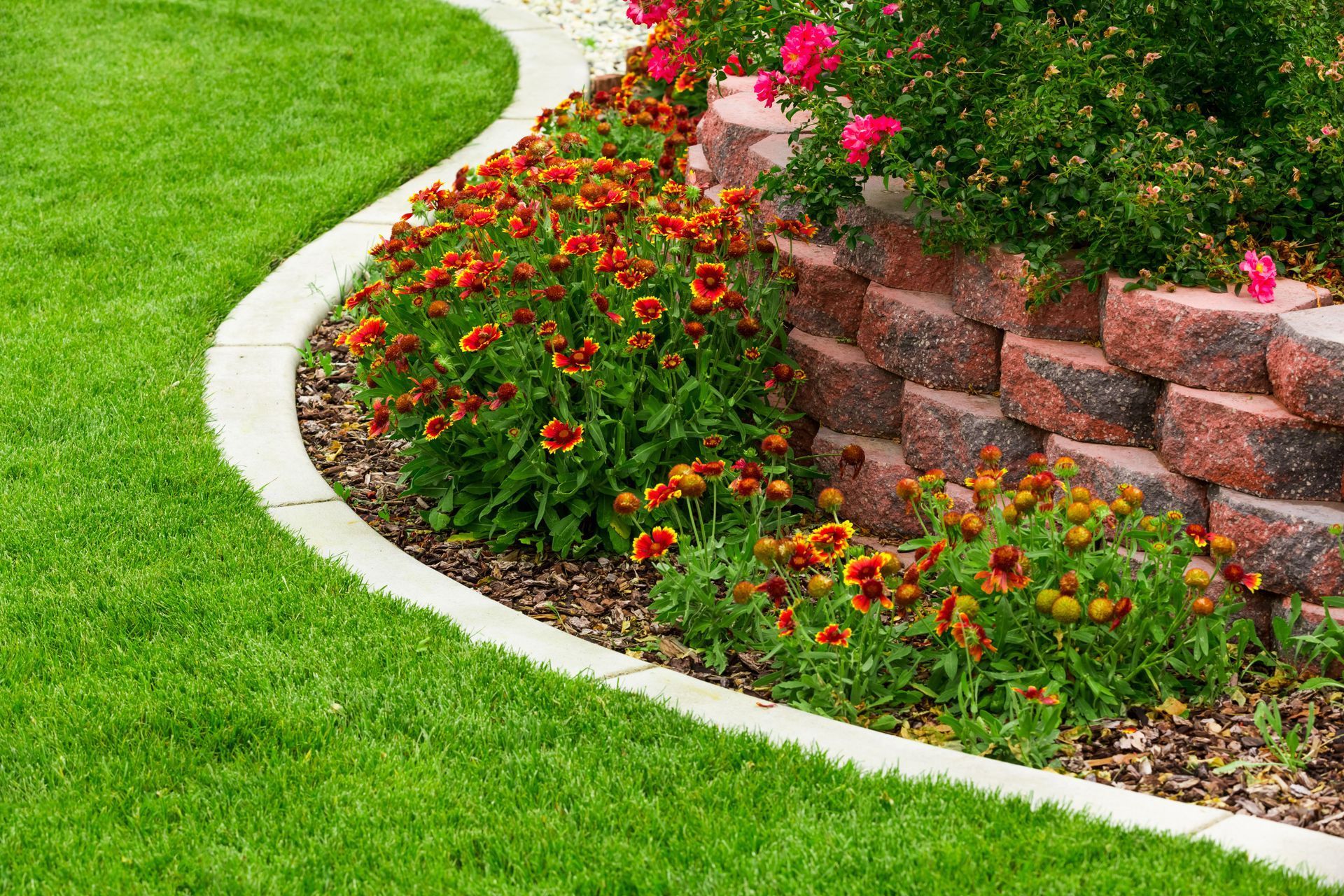
One of the primary benefits of landscape curbing is improved organization. Defined edges help keep grass from spreading into garden beds and prevent mulch or decorative stone from migrating into surrounding areas. Curbing also enhances visual appeal by framing landscape elements and providing a finished look. Over time, durable curbing can help maintain consistent lines and reduce the need for frequent edging or reshaping.
Plan Your Landscape Curbing Project
Assess Your Outdoor Space
Before installing landscape curbing, it is helpful to evaluate which areas would benefit most from added definition. Common locations include flower beds, tree rings, lawn borders, and pathways. Identifying these areas in advance allows for a layout that improves both appearance and functionality while working with the existing landscape.
Taking time to observe how the outdoor space is currently used can further inform these decisions. Areas that require frequent trimming, edging, or cleanup often benefit from clearer boundaries. Noting changes in elevation, natural curves, and existing hardscape elements can also help determine where curbing will provide the most visual clarity without disrupting the overall layout.
Considering how different areas transition into one another can be useful during this stage. Curbing can act as a subtle connector between landscape features, helping the yard feel more cohesive while still allowing each section to maintain its own purpose and character.
Plan the Layout and Design
Effective curbing design takes into account the natural flow of the landscape. Smooth curves, gradual transitions, and thoughtful placement can help the curbing blend naturally with surrounding features. The goal is to enhance structure without making the landscape feel rigid or segmented.
Design planning also involves balancing visual definition with openness. Continuous concrete curbing allows borders to follow organic shapes, making it easier to mirror the existing contours of the property. This approach supports a natural look while still providing clear separation between lawns, beds, and other landscape areas.
Spacing and alignment play an important role as well. When curbing is positioned intentionally, it can frame plantings, highlight walkways, and guide movement through the space without drawing attention away from the landscaping itself.
Seek Guidance from Professional Design
Working with a landscape curbing professional during the planning stage can help refine layout decisions and material choices. Experienced installers can recommend designs that complement the property's layout while ensuring the curbing is positioned for long-term stability and performance.
Professional input can also help translate general ideas into a practical plan. Factors such as site conditions, existing features, and intended use of the space are taken into account when finalizing the layout. This guidance helps align visual goals with realistic installation considerations.
Early collaboration during the design phase often results in a smoother installation process and a finished landscape that feels intentional and well-integrated with its surroundings.
Select Landscape Curbing Material
Concrete is widely used for landscape curbing due to its durability, versatility, and clean appearance. It can be shaped into continuous borders with smooth or decorative finishes, allowing it to adapt to a variety of landscape styles. When properly installed, concrete curbing provides a long-lasting solution that holds its shape and appearance over time. According to Curb N Borders, professionally installed concrete curbing typically lasts 20 to 30 years.
Its continuous installation method creates a seamless edge that maintains consistent lines throughout the landscape. This can be especially helpful in areas with curves or changing directions, where segmented edging materials may appear disjointed. Concrete curbing also offers flexibility in design, making it suitable for both simple layouts and more detailed landscape patterns.
Consider Decorative Finishes and Color Options
Concrete curbing can be customized with different textures and color treatments to complement surrounding landscaping. These options allow curbing to blend seamlessly with existing outdoor elements or serve as a subtle visual accent, depending on the desired look. By taking the time to explore a variety of finishes, homeowners can create a border that enhances the overall feel of the space and ties together various elements in a thoughtful way.
Color choices can be used to coordinate with nearby hardscapes, home exteriors, or planting materials. Textured finishes may add visual interest while still maintaining a clean, understated appearance. Additionally, selecting complementary tones and patterns can help emphasize certain areas of the landscape, subtly guiding the eye across different sections of the yard. Thoughtful selection of finishes helps ensure the curbing supports the overall landscape design rather than competing with it, contributing to a balanced and cohesive outdoor space that feels intentional and harmonious from every angle.
Follow the Process of Professional Installation
Professional landscape curbing installation typically begins with site preparation, which includes outlining the desired layout and preparing the ground for placement. The curbing is then formed and installed directly along the planned edges, creating a continuous border that follows the design precisely. This approach supports consistent lines and a uniform appearance throughout the landscape.
Proper preparation helps establish a stable foundation for the curbing. Attention to grading and alignment during installation contributes to clean edges that integrate smoothly with lawns, beds, and walkways. The installation process is designed to minimize disruption while ensuring the curbing follows the planned design closely.
Ensure the Advantages of Professional Installation
Getting things professionally installed helps ensure proper placement, consistent shaping, and long-term durability. Experienced installers are equipped to manage curves, transitions, and site-specific challenges, resulting in a finished product that enhances both appearance and functionality. Their expertise allows them to anticipate potential issues before they arise, ensuring that every section of curbing meets design expectations and integrates seamlessly with the surrounding landscape.
Handling these details during installation helps avoid uneven lines or misaligned edges. A consistent installation supports visual continuity across the landscape, especially in areas with multiple borders or intersecting features. Professional installation also helps ensure the curbing complements the surrounding environment, maintaining a polished appearance that aligns with the original design intent.
Landscape curbing enhances both the organization and aesthetics of outdoor spaces, creating defined edges that support a well-structured landscape. To learn more about professional concrete curbing and edging for residential and commercial properties, explore the services offered by Porter's Borders, where our focus on clean lines, custom layouts, and long-term performance helps ensure outdoor spaces remain visually appealing and well-maintained over time.