November 12, 2026
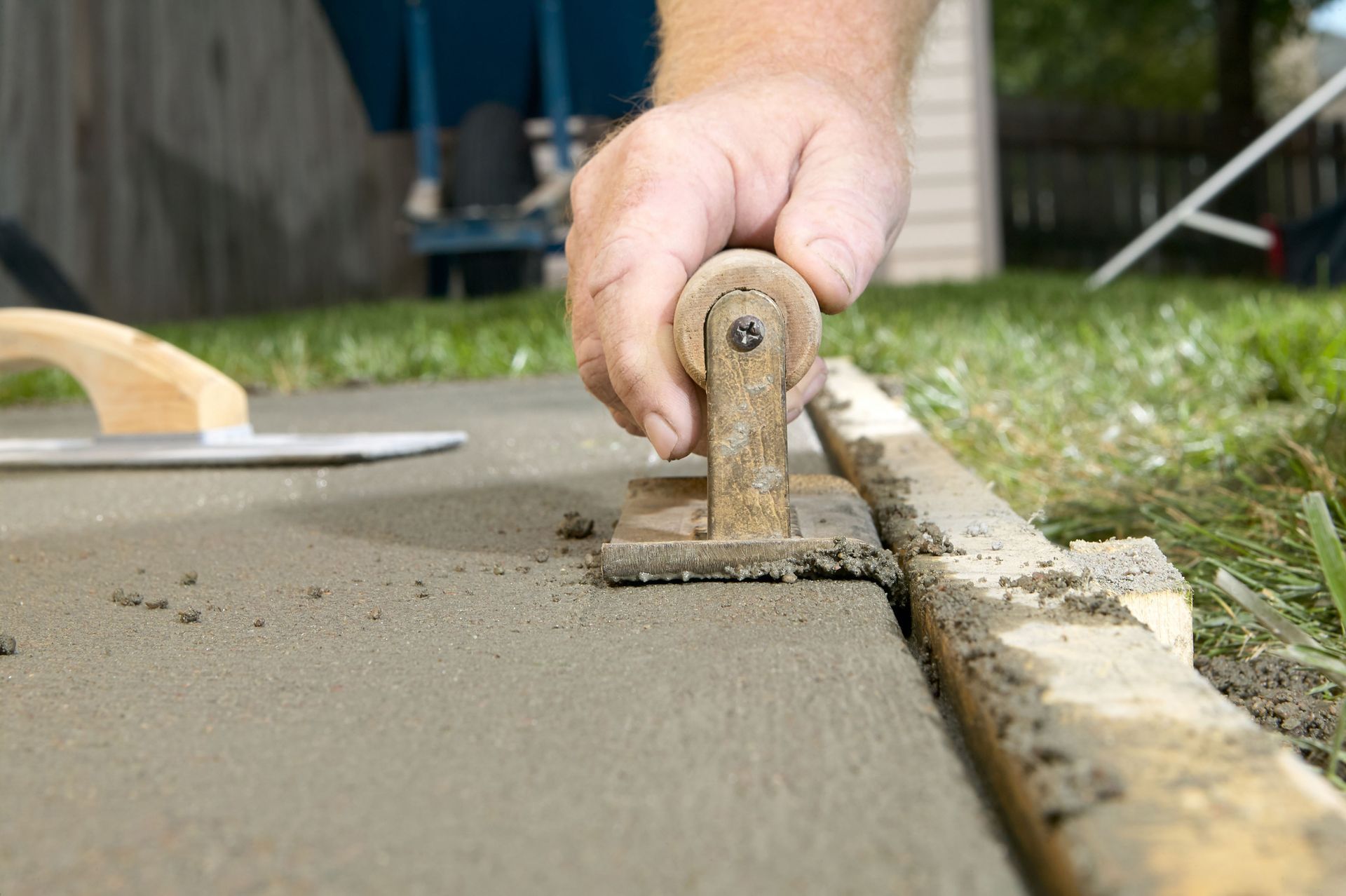
A well-designed landscape combines different features to create an outdoor space that feels organized, attractive, and easy to maintain. However, without clear boundaries, garden beds, walkways, and other elements can begin to blend together or look disconnected. Concrete edging provides a durable way to define these areas while creating a consistent appearance throughout the property. Pairing it with complementary landscape features can improve both the visual appeal and functionality of an outdoor space.
1. Defining Flower Beds and Garden Borders
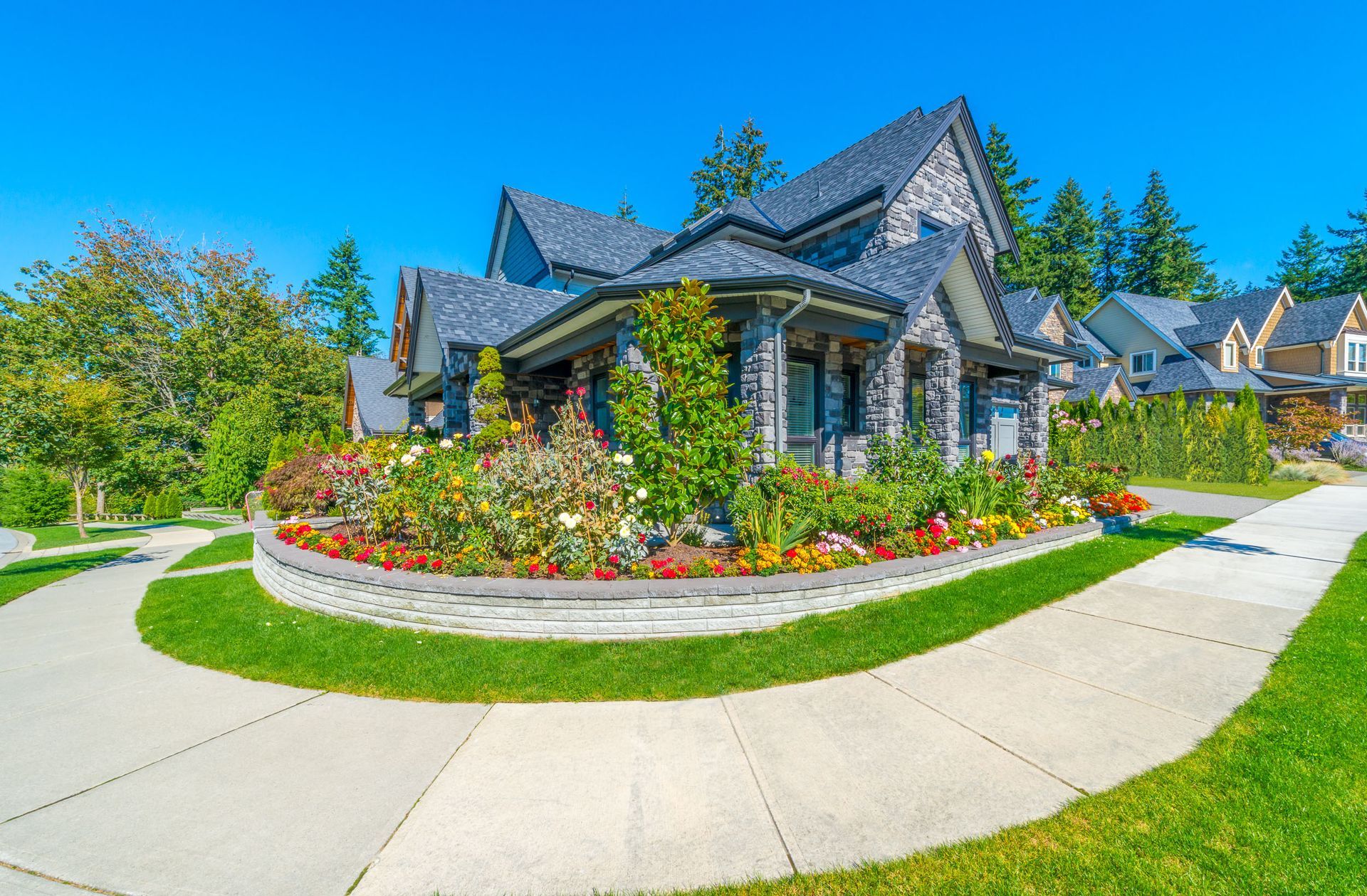
Flower beds are among the most natural features to pair with concrete edging. Colorful flowers, shrubs, and ornamental plants can make a yard more inviting, but their appearance is often improved when the planting areas have clearly defined boundaries. A concrete border separates the garden from surrounding grass, mulch, or other ground coverings.
This separation creates a cleaner appearance and helps prevent grass from gradually spreading into planting areas. It can also make routine yard maintenance easier by providing a visible boundary for mowing and trimming. Instead of worrying about uneven transitions between the lawn and garden, property owners can enjoy a more organized landscape.
The style and color of the border can also complement the plants and surrounding materials. A neutral concrete finish can provide a subtle backdrop for bright flowers, while decorative textures can add visual interest without competing with the plants themselves.
2. Framing Walkways and Garden Paths
Walkways provide convenient routes through outdoor spaces, connecting entrances, patios, gardens, and other areas of a property. Without defined borders, however, paths can appear unfinished or blend into nearby grass and planting beds. Concrete edging creates a distinct boundary that helps walkways stand out.
When installed alongside a path, edging can create a consistent visual line that guides visitors through the landscape. It also helps separate paving materials from surrounding soil, mulch, or lawn areas. This distinction can make the entire outdoor layout feel more intentional.
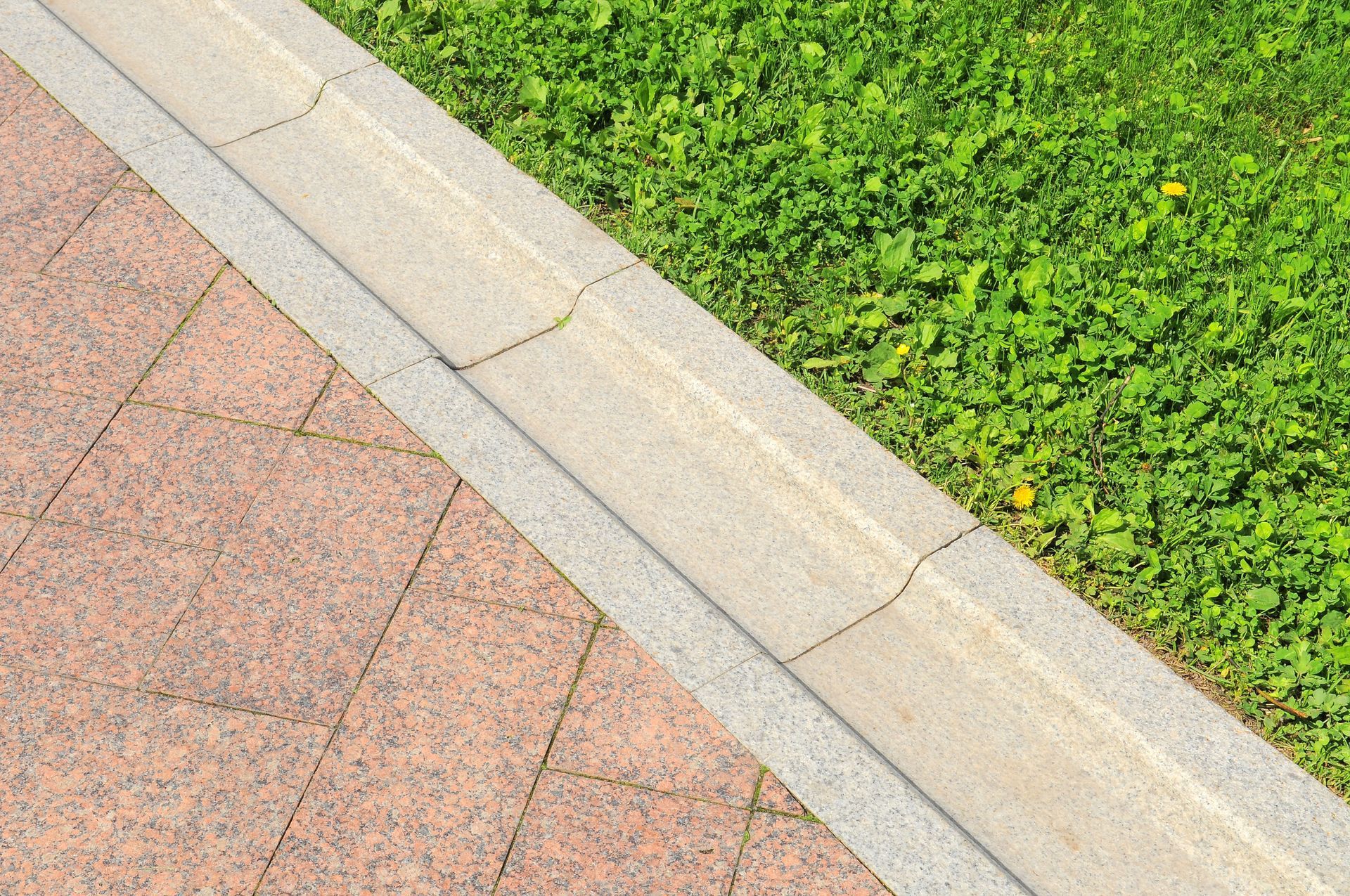
Property owners can coordinate the border with the walkway's color and materials for a cohesive design. For example, a neutral concrete edge can complement stone or paver paths without overwhelming their natural appearance. Concrete edging can also help maintain a consistent boundary along curved walkways, adding definition to designs that follow the yard's shape.
3. Highlighting Trees and Shrub Plantings
Trees and shrubs provide structure, shade, and visual depth throughout a landscape. However, the areas around their trunks and root zones can sometimes look unfinished, particularly when mulch or decorative stone extends into the lawn. A defined border can help keep these materials contained and give individual plantings a more polished appearance.
Circular or curved borders around trees can create attractive focal points while separating mulch beds from grass. These shapes also introduce variety into landscapes that primarily feature straight lines and rectangular layouts.
Shrub groupings can benefit from the same approach. A continuous border around a row of shrubs creates a unified planting area rather than making each plant appear disconnected. When planning these features, it is important to leave adequate room for plant growth and avoid disturbing tree roots. A carefully positioned concrete border can provide a finished appearance while respecting the needs of the surrounding vegetation.
4. Separating Decorative Rock and Mulch Beds
Decorative rock and mulch are popular landscape materials because they add texture, contrast, and visual interest. They can also reduce the need for grass in certain areas of a property. However, these materials may shift over time, especially along the edges of lawns, driveways, and planting beds.
Concrete edging helps create a more defined transition between different ground coverings. A border around a decorative rock bed, for example, can help keep stones from spreading into nearby grass. Similarly, a defined mulch bed can maintain a cleaner appearance by limiting how much material moves into adjacent areas.
According to Home Grail, concrete reaches a melting temperature of approximately 1,550 degrees Celsius. This high temperature illustrates the material's ability to withstand substantial heat, although ordinary landscape use involves much lower temperatures. Its durability makes concrete a practical option for outdoor borders exposed to changing weather and everyday environmental conditions.
5. Complementing Patios and Outdoor Seating Areas
Patios and outdoor seating areas often serve as central gathering spaces for homeowners. Whether the surface is made from concrete, stone, or pavers, a defined perimeter can help connect the patio to the surrounding landscape. Edging provides a visual transition between the hard surface and nearby grass, garden beds, or decorative materials.
A border can make the patio feel more integrated into the yard rather than appearing as a separate feature. For example, edging along the perimeter can coordinate with nearby planting beds to create a consistent design. It can also help distinguish the seating area from the adjacent lawn.
Property owners should consider the patio's shape, surface color, and surrounding features when choosing an edging style. A simple border may work well with a contemporary patio, while a textured finish can complement a more traditional outdoor setting. The goal is to create a connection between the patio and the rest of the property without making the design feel overly busy.
6. Accentuating Driveways and Entryways
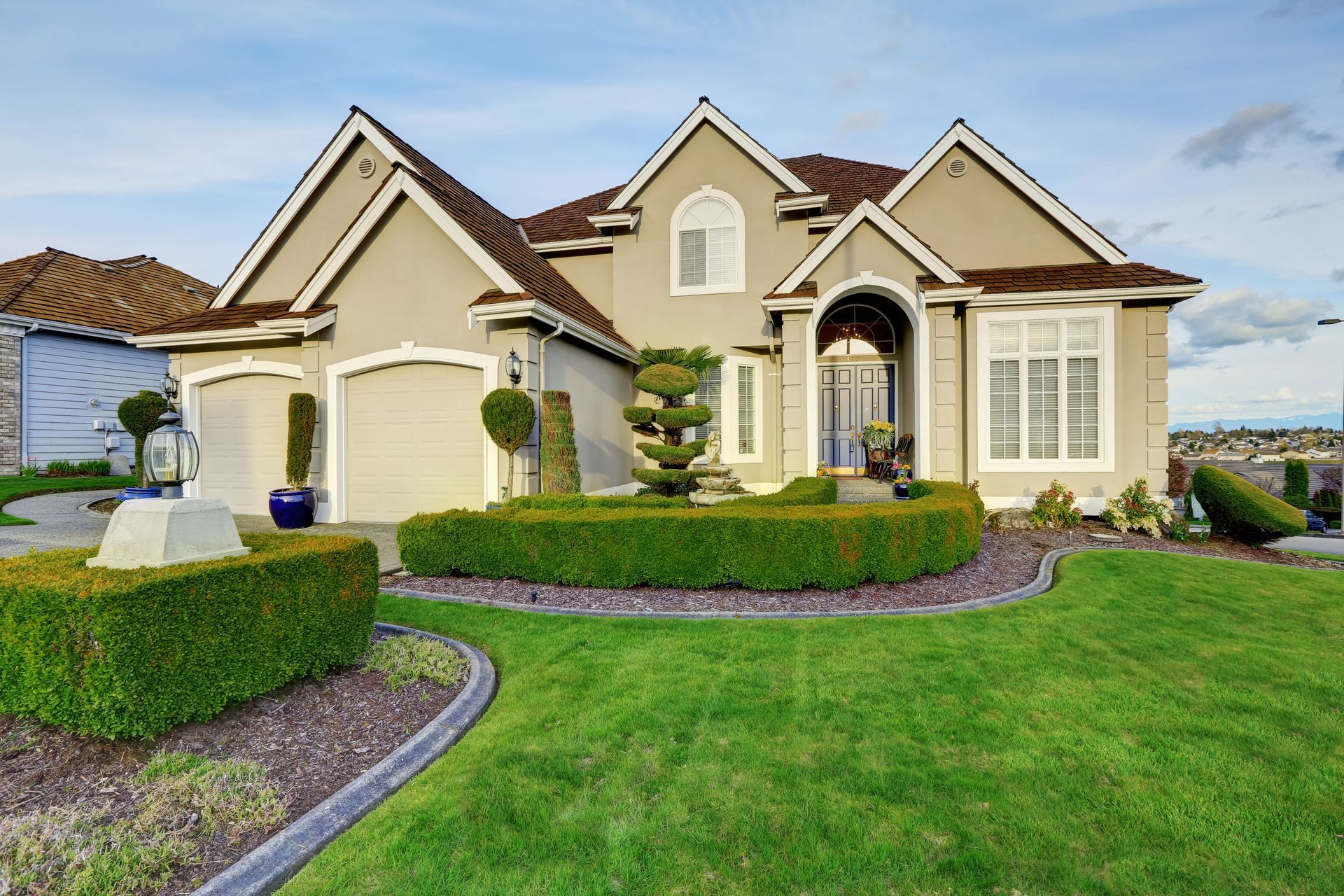
Driveways and entryways are some of the first landscape features visitors notice. Their appearance can influence the overall impression of a property, making clear boundaries an important design consideration. Concrete edging can create a finished transition between paved surfaces and the surrounding lawn or garden areas.
Along a driveway, a defined border helps establish a clean visual line while separating the pavement from nearby landscaping. This can make the entrance appear more organized and give the property a more polished appearance. Edging can also complement planting beds near the driveway, helping to connect different features with consistent materials and colors.
Entryways can benefit from similar details. A border around nearby gardens or along a walkway can create a more welcoming transition toward the home. With a variety of styles and colors available, property owners can select an appearance that complements the house's exterior and other hardscape features.
7. Organizing Lawn and Landscape Transitions
A balanced landscape often includes several different surfaces, such as grass, planting beds, pathways, and decorative ground coverings. When these areas meet without clear boundaries, the yard can look cluttered or difficult to maintain. Concrete edging helps organize these transitions by giving each section a defined perimeter.
For example, a border between a lawn and a garden bed creates a clear separation, making mowing and trimming more straightforward. It can also help maintain consistent lines around curved or irregular landscape designs. These details are particularly useful on properties with multiple planting areas or a combination of decorative and functional outdoor spaces.
Porter's Borders offers custom residential and commercial edging in a variety of styles and colors, allowing property owners to coordinate borders with their existing landscape features. With careful planning, these installations can bring separate outdoor elements together into a more cohesive design.
Creating a Cohesive Landscape With Defined Borders
The most effective landscape designs consider how individual features work together rather than treating each area as a separate project. Flower beds, walkways, trees, decorative rock, patios, driveways, and lawn transitions can all benefit from clearly defined boundaries. When these elements share complementary borders, the entire property can feel more organized and visually consistent.
Choosing the right style, color, and placement is essential for achieving that result. A well-planned border should complement the surrounding materials while providing practical separation between outdoor areas. Contact Porter's Borders to explore custom concrete edging options that enhance definition, functionality, and visual appeal in your landscape.